Guides
Practical writing on learning, AI, and platforms
Field notes from LMS builds, AI governance in teaching, and WordPress systems that cannot afford to break. Prefer a conversation? Book a call · see services.
- Behind the scenes: the week I moved half my site out of the house
Themes, plugins, resources, and tools got their own domains. Columns went to a writing site. Apex left WordPress for flat HTML on Cloudflare Pages. The front door finally has one job.
- Behind the Scenes: a training site moves, a Cloudflare redirect never fires, and I publish too soon
- Reading aloud is the cheapest edit
- The right question, asked in the wrong room
Four years in, higher education's technology leaders have made "where does AI actually add value" their top priority. It's the right question. Then you read who EDUCAUSE lists as having been asked it, and not one of the categories it publishes is a teaching role.
- How to add a Pinterest button to your WordPress site
- Behind the scenes: Cloudflare error 20083 and a feed parser that said nothing
Cloudflare refused my www redirect with error 20083, and a news feed parser dropped two of five feeds without an error. What broke and the one-line fixes.
- Course video in 2026: where to host it, and how to make sure every learner can watch
Video hosting is three decisions, not one. SEO/discovery, on-site conversion, and private delivery each want a different host. Here is how to pick for each.
- Who gets to say what done looks like
Two districts bought AI with almost nothing to go on, a state wrote rules, and a company wrote contracts. Underneath all of it sits one question nobody had answered: what does "working" actually mean here?
- Before the Excel training starts: what most teams miss
The 30 minutes a manager spends preparing their team is the single biggest variable in whether Excel training sticks. Here is the prep model, the follow-up rhythm, and the measurement framework.
- Behind the scenes: two AI-assisted news sites, and the fact-checker that failed 28 times before it ran once
The rulebook I wrote before I built the sites said no 141 times in about two hours. Mining Dispatch and Hauler Daily went live anyway, on 19 September, with a fact-checker that could not find its own shell and a privacy page that was ahead of the site.
- The feeling of learning is not learning
A learner can produce fluent, correct work with AI and come away no smarter, while feeling like mastery. Chapter three of Learning to Learn With AI is about why that feeling lies, why AI makes it cheap, and the one instrument an educator can trust instead.
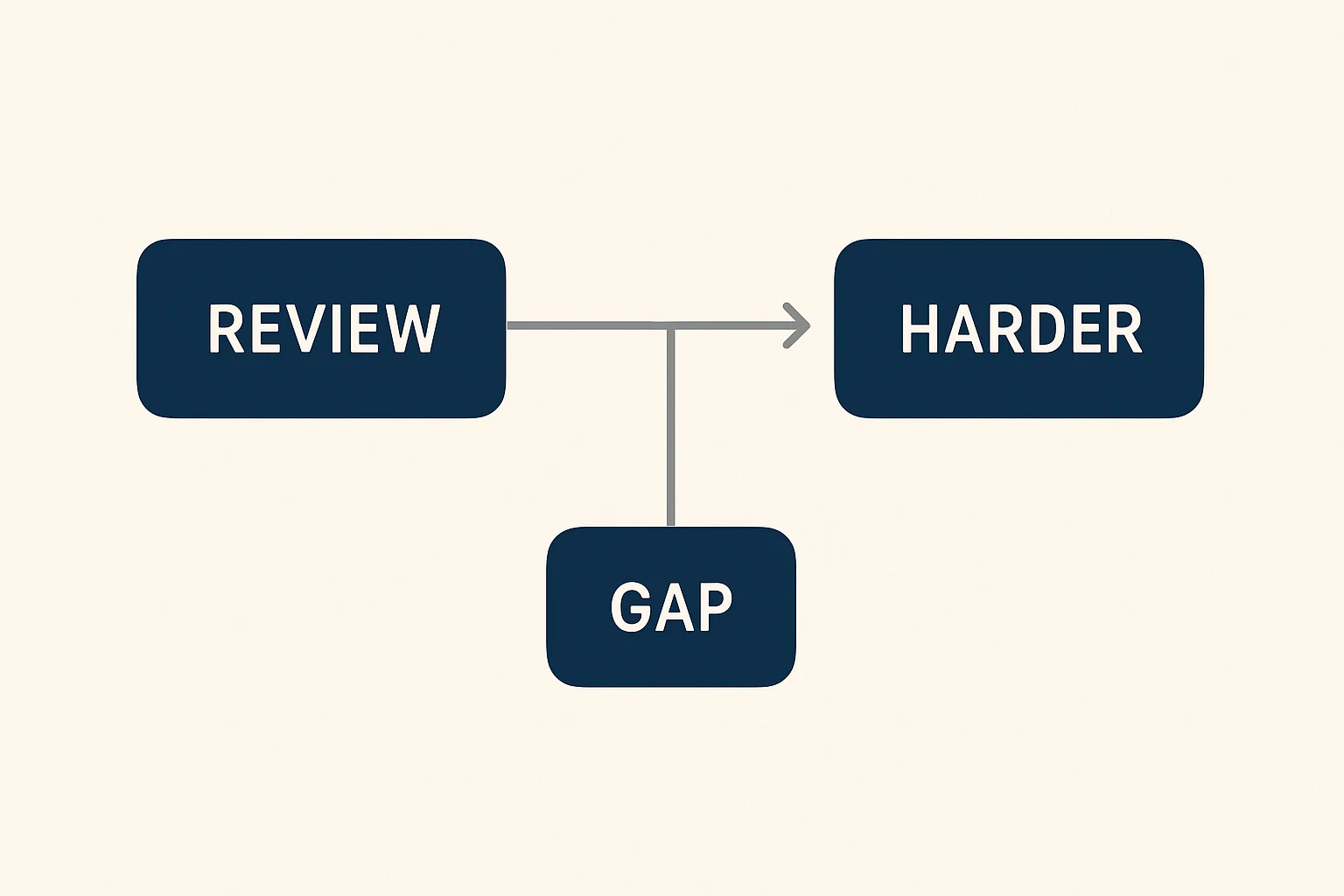
- After the review, the harder problem
The second post in the AI-review series. Once an audit hands you a list of findings, the way you prompt the fix decides whether the problems get solved or quietly get worse. It works through the real critique of the Colophon FSE collection.
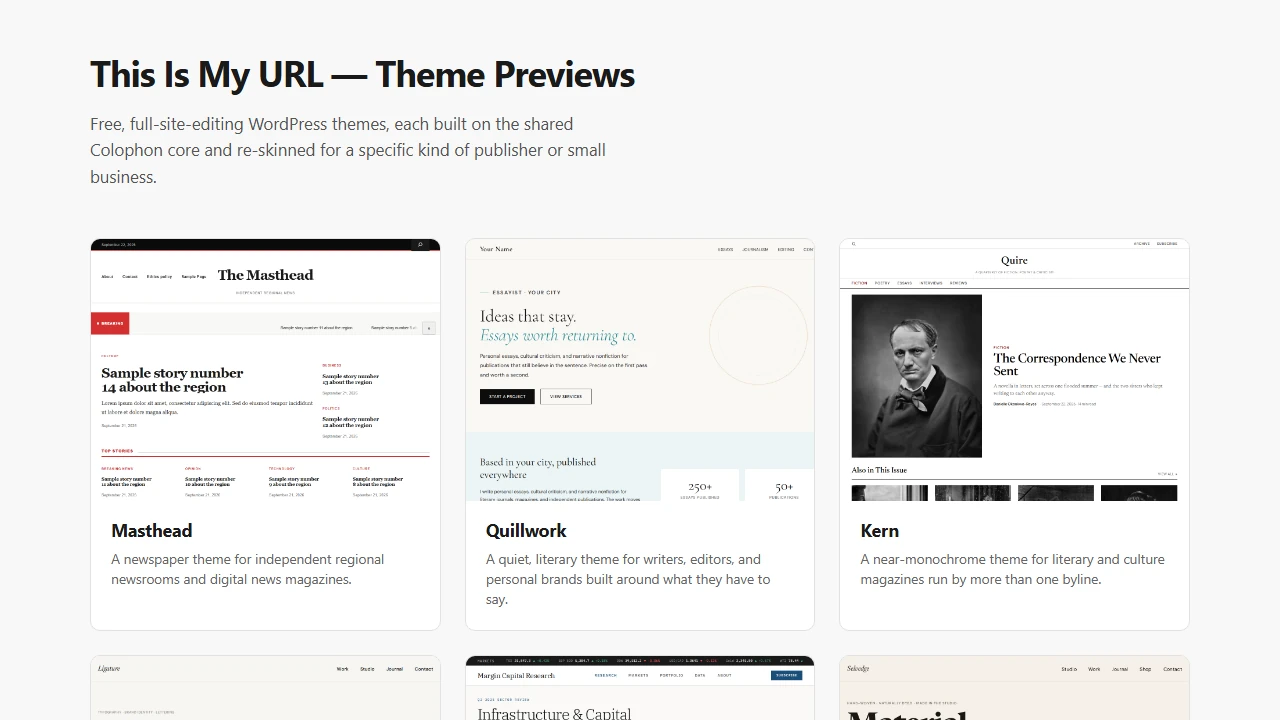
- Behind the scenes: a second free WordPress block theme, and a website so people can find them
Masthead joins Quillwork on WordPress.org, my second free WordPress block theme there, plus a showcase site, two redesigns, and newsletter number nine.
- CAN-SPAM compliance: what the act actually requires of you
Years back, a client of mine got hit with a frivolous lawsuit over their account-confirmation emails. The suit failed, and it failed because the written law puts transactional email outside CAN-SPAM. Here is what the law actually requires, and why knowing it precisely is what protects you.
- Teaching the question
A two-year AI tutoring trial found students rarely messaged for help, and mostly sent bare answers when they did. Decades-old research on a related skill says asking can be taught. Two small 2025-2026 studies test an AI-specific version of that idea, and a third tests a lever that doesn't depend on the student at all.
- Behind the scenes: my accessibility checker was wrong three times before it was right
My new accessibility checker flagged every control on this site as broken. It was wrong three times before it was right, and each false alarm taught me something about how automated checks fool you.
- WordPress VIP: what it is, what it isn't, and when a business actually needs it
WordPress VIP is the enterprise platform Automattic runs for organizations like The New York Times, BBC, and CNN. I have built and maintained sites on it at Postmedia. Here is what it is, what it costs, and the honest answer to whether your business actually needs it.
- Newsroom WordPress migration: how to hit a hard date
News migrations miss hard dates for three reasons that are all visible during scoping. Here are the checkpoints that catch them while there is still time to fix them.
- SVG files in the WordPress media library: why the upload fails and how to enable it safely
- Why didn't the students ask for help?
A two-year trial in Tennessee found only small gains from an AI tutor, and a clear reason why: students rarely asked it for help. That's a problem teachers are unusually good at solving.
- The Cloudflare features a school may already have and not be using
Five Cloudflare features most districts already have access to and rarely switch on: Snippets, Argo Smart Routing, Cache Reserve, Waiting Room, and the client-side security tooling that used to be called Page Shield. One is free and I would turn it on this week. Two are Business tier or above. None of them suit every school.
- How to keep WordPress publishing sustainable for the next decade
- Drupal to WordPress: the two things you can't afford to break
I helped move Canada's Parliament newspaper off Drupal in 2011. Here is what survives that move, what gets rebuilt, and the two things worth planning first.
- The Free Shelf, September 2026: 20 images, 16 3D models, and two WordPress releases
- Tending thirty domains I’d half-forgotten I owned
A week spent tending the side domains I had half-forgotten I owned, meeting Claude's new model Fable on real work, and letting the system do the tireless digging while the judgment stayed with me.
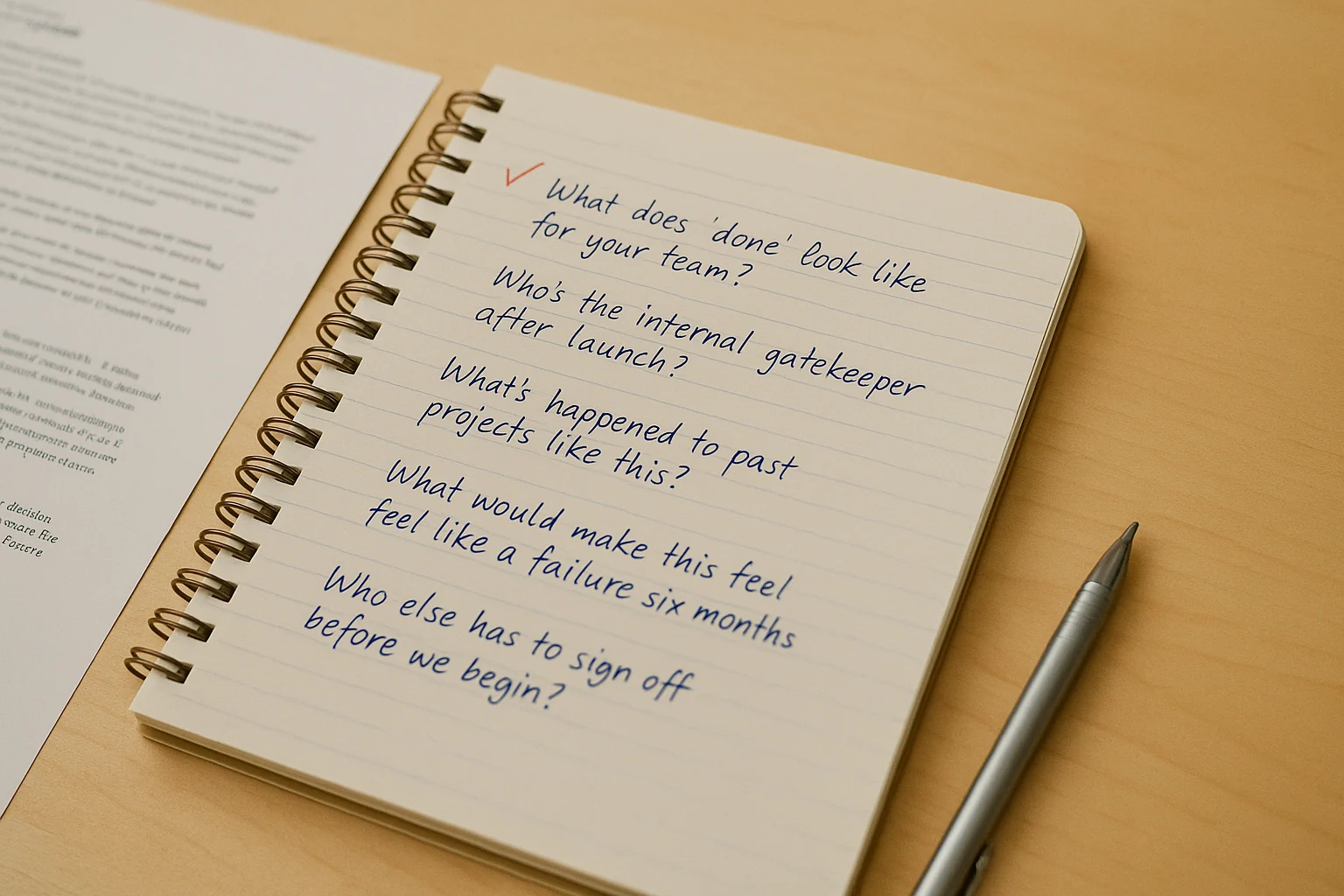
- The 20-minute discovery call: what I ask, why I ask it, and what a good answer sounds like
The six questions I ask on a twenty-minute discovery call, why I ask each one, and what a useful answer sounds like, so you can use the twenty minutes well.
- Wix to WordPress: how to know when you've outgrown it
What actually leaves Wix, what Wix's own help pages say you cannot export, and how to tell whether you have outgrown it, with every limit sourced.
- 750 papers would have been wrongly flagged as AI-written
Detection is being switched off across higher education, and the reason matters more than the news does. The tools were quietly teaching everyone in the building to hide, which turns out to be the harder problem.
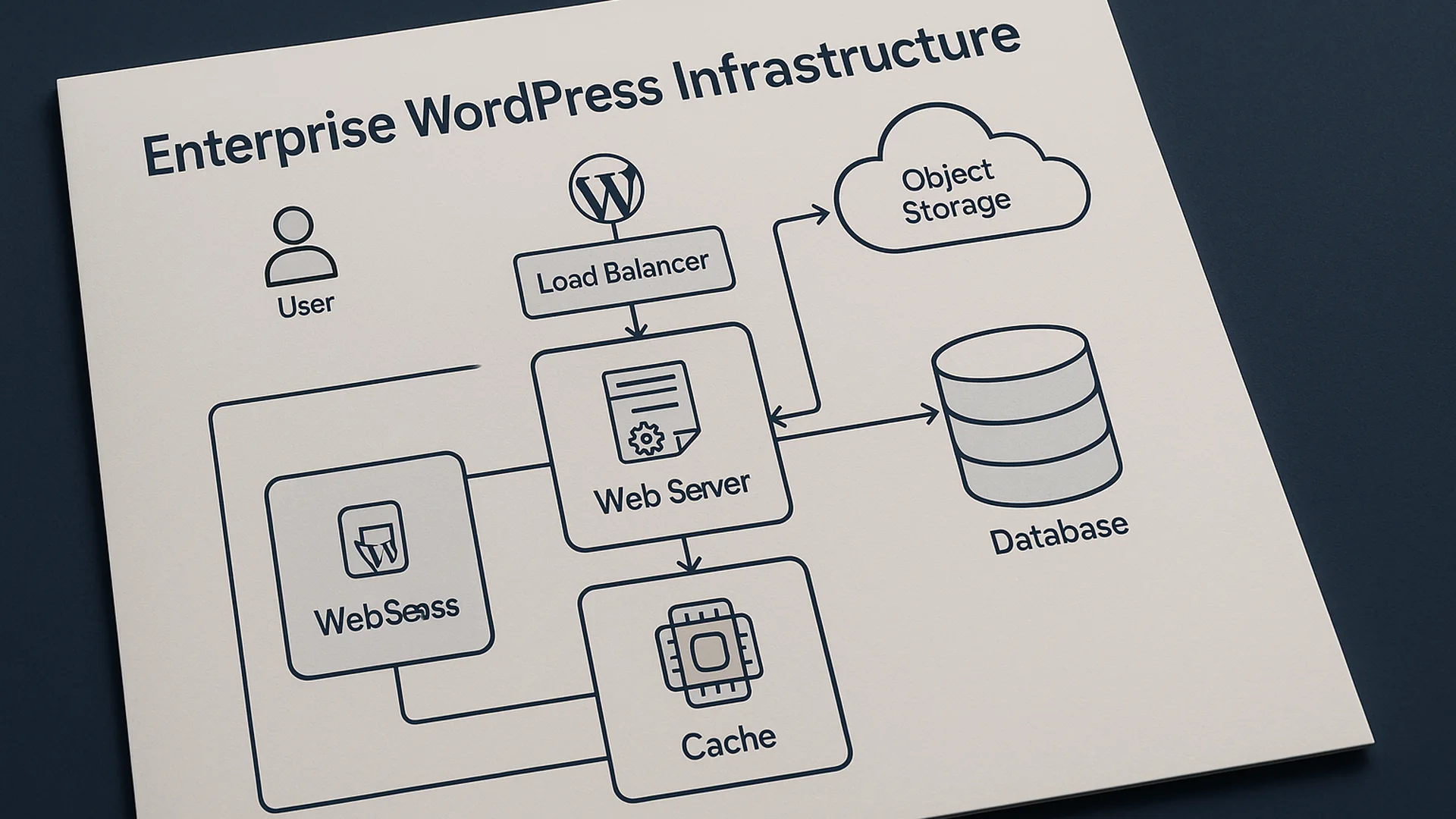
- Enterprise WordPress: the infrastructure decisions that cost teams later
"Enterprise" is a hosting upsell label. The four layers that actually matter (edge, application, data, observability) fit on one page. Here it is.
- Is it safe to use AI tools with student data?
It can be, but the question splits in two. Whether a vendor trains on your content is a contract term, and all four realistic platforms answer it the same way. Whether your district may hand records to that vendor at all is a FERPA question, and no product answers it for you.
- WordPress editorial workflow for a comms team of twelve: the setup that actually ships
I once watched a restaurant owner delete his entire content archive in ninety seconds. He was tidying. Here’s the permission map that prevents that when you have twelve people publishing to the same WordPress site.
- What learning to fly blind taught me about Google Analytics
A hooded cockpit, a lying inner ear, and the instrument habit your website needs. Why Search Console matters more than the leads that came in this week.
- Who gets to take the course: the access audit that decides it, and where sites fail it
AODA-compliance audits for federal-vendor contracts are different from generic accessibility scans. Here is what a procurement-grade audit covers, who signs off, and where most WordPress sites fall short.
- How businesses fool themselves with their own data
Survivorship bias, selection bias, leading questions, vanity metrics, proxy drift. Five ways a business quietly flatters itself with its own research.
- Do you actually need a WordPress maintenance plan?
An owner lost three weeks of enquiries to a form that looked fine. What breaks on an unwatched WordPress site, what real care covers, and when to skip it.
- Give them the problem, not the method
A meta-analysis of 53 studies says people learn more when you give them the problem before the method. The same evidence says which three implementation choices decide whether it works.
- LMS deployment in 2026: what most teams get wrong
An LMS solves tracking and compliance well; delivery and content management poorly. Here are the four flavours that dominate, the decision matrix, and the audit before you sign.
- Do accessibility overlay widgets work on an LMS?
No. Accessibility overlay widgets edit the page in the browser instead of fixing the code underneath, and they routinely conflict with the screen reader a student has already tuned to their own needs. What gets you to WCAG 2.2 AA is the markup and the uploaded documents.
- The only training metric that matters: what changes on Monday
Skills that look mastered in the classroom fade by Monday without practice. How backwards design fixes training, and the one question to ask any training vendor.
- The WordPress records-retention problem nobody on your team has mentioned yet
Records retention is the WordPress conversation nobody on your team has had yet. Here is what Library and Archives Canada compliance, FOI requests, and editorial retention obligations actually require, and where WordPress falls short by default.
- Data worth trusting: how to collect feedback that tells the truth
A blown-out sky cannot be recovered in editing, and neither can feedback collected in a bad moment. Five ways to design the moment before you collect.
- Will AI widen the digital divide? Only if we let it
x
- What to look for in a website development company near Niagara Falls
- A quiet inbox isn't a slow month: test your contact form
My best spam filter also blocked real customers, and the inbox just looked like a slow month. The ten-second monthly test every business website deserves.
- What AI does to beginners, and what the workplace studies never measured
Two large studies show AI helps beginners most. One careful study shows the help does not become skill. I had read the second one and still kept saying the line, which is the part worth explaining.
- Teachable to WordPress: the number that decides it
Whether to leave Teachable comes down to one calculation you can do in ten minutes. Here is the arithmetic, and what the move involves once the number says go.
- DDoS protection for school websites: what actually helps
Cloudflare gives an LMS or SIS real DDoS mitigation at every tier, plus a firewall for login and enrollment forms and cheap delivery of static course files. It won't cache authenticated pages by default, and on its own it won't back anything up or make a district FERPA compliant.
- It sounds sure. Check anyway.
- WordPress official languages act compliance: building parallel multilingual translation pipelines
An operational blueprint for engineering bilingual (English/French) content workflows inside WordPress to meet OLA Section 41 procurement and compliance standards.
- WordPress multisite for a school board: when it saves you and when it buries you
At Yorkville Group, three schools on three separate WordPress installs meant a security patch went to two of them and missed the third. Here’s when WordPress Multisite fixes that, and when it buries you instead.
- Why my prices are public
My rates are public, the way a lumber yard posts prices by the door. What a private college taught me about hidden pricing, and a fair test for any vendor quote.
- Where AI actually goes too far, from someone who defends it
I have spent a series defending AI. Here are the four places I will not follow it, and what you would have to believe to put those lines anywhere else.
- The sentence that costs the least
Every publisher now asks you to declare AI use. The research says declaring it will cost you trust. Both things are true, so here is how I write the line anyway.
- The service business sales stack: six tools, three levers, one audit
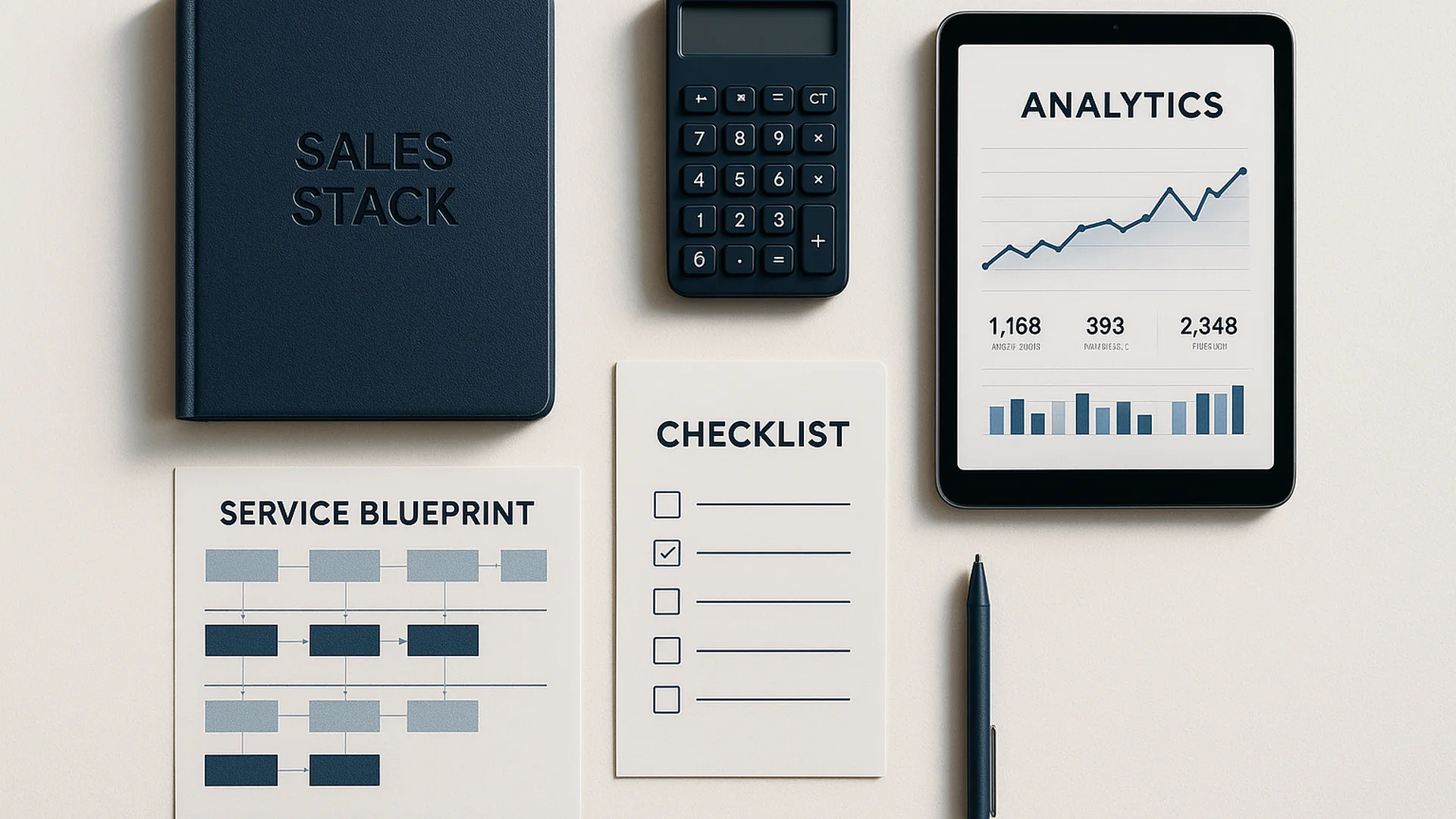
A modern sales stack for a service business is six tools, not twenty. Here is what each one does, what most teams over-buy, and the three things that actually move conversion.
- Consent you can trust: the yes most business feedback skips
A discount for a five-star review is not a request, it is a purchase. What real consent looks like, and why feedback collected without it quietly stops being evidence.
- Your tools already decided how you work
- When banning AI is right, and when it's just gatekeeping
- The number that flatters the tool is the one to distrust
- Behind the scenes: the week my own guardrails knew better than I did
- Accessibility video in 2026: more than subtitles
- Everyone's favourite AI study asked us not to say the thing everyone says
For anyone who has been sent the "AI makes you dumber" study this month and had a feeling something was missing from the summary.
- When my own website hadn't caught up with who I'm becoming
I reordered my WordPress training page, built a Stances post type, and ran an EEAT schema audit that found my own structured data contradicting itself.
- What a Moodle LMS actually costs
Moodle the software is free; running it is not. The one price Moodle publishes, the lines that make up the rest, and an honest range with the assumptions shown.
- The default WordPress plugin stack nobody actually chose
A client's WordPress admin was taking twelve seconds to load. Seven years of reasonable plugin decisions, each added for a good reason, all of them adding up at once. Here's the question that sorts a chosen stack from an accumulated one.
- Social desirability bias: why your best customer feedback may be your least honest
People answer surveys the way they think they are supposed to. Why the warmest feedback is often the least useful, and when to ask instead.
- High-availability WordPress for education: what it means and when a school actually needs it
- Is using AI cheating? It depends what you're being tested on
- Your WordPress now has an AI layer, and it still needs your judgment
A practitioner's read on WordPress 7.0: the AI infrastructure it shipped, the real-time collaboration it pulled, and what the release means for plugin developers and platform buyers.
- I built a robot to catch AI writing, and it caught me
For anyone being asked to have a position on AI in scholarship or the classroom, and tired of the two camps.
- Why your iPhone photos won't upload to WordPress (and how to fix it)
Your iPhone photo looks fine on your phone but won't upload to WordPress, or shows a blank thumbnail. Here is what the HEIC format is, why it breaks the Media Library, and three honest ways to fix it.
- What internal training platforms actually get judged on
Selling a course and running training inside a company are different jobs. One fights for attendance; the other already has it, and gets judged on a report.
- Is WordPress dead in 2026?
Every couple of years someone announces WordPress is dead. The cause is always different; the platform keeps surviving. Here’s what fourteen years of “killers” taught me.
- The WordPress site audit most agencies skip in 2026
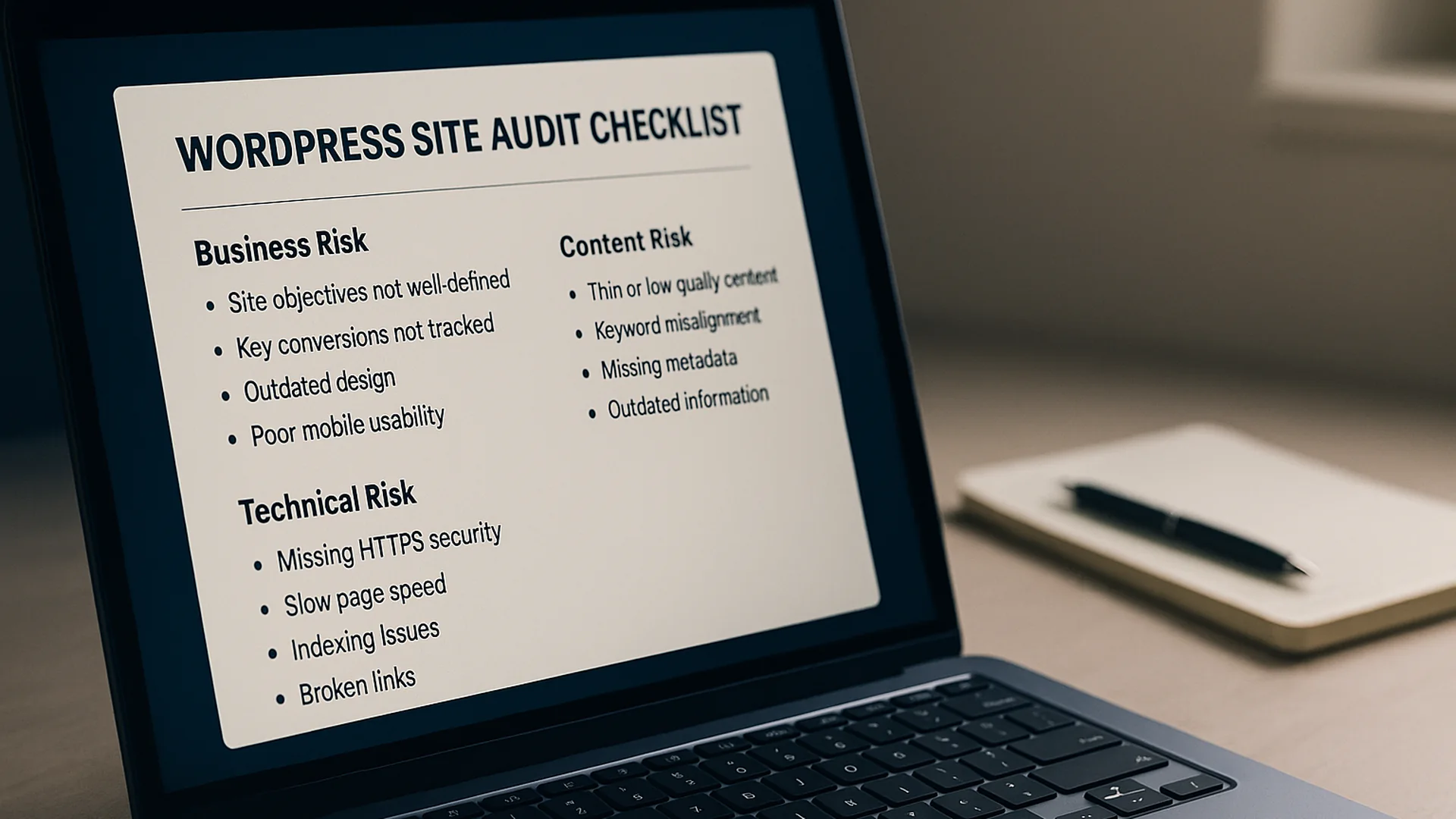
A WordPress site audit done well takes a day and surfaces three to five issues. Done badly, it produces a 40-page PDF nobody reads. Here are the 12 checks that earn the day.
- Headless WordPress for a government site: when it is the right answer and when it is a career risk
There's probably a proposal on your desk that uses the word headless as if it were new. I've been building this architecture since before it had a name. Here's when it earns its place on a government site, and when it's a career risk.
- What AI actually is, for someone who has to teach with it
- When does AI cross the line?
- Behind the scenes: the week my site kept telling small lies
A week of quiet gaps between what my site claimed and what it did: a podcast feed advertising missing audio, 230 archive pages leading nowhere, a blog that called everything WordPress, and an invoice tool I built instead of bought.
- Moodle to WordPress: when the move is the upgrade, and when it isn't
When moving off Moodle is the upgrade, when connecting it to WordPress is smarter, and when to stay put, with the SCORM, quiz and upgrade facts checked against the documentation.
- Same number, opposite meaning
Everyone was quoting a 54 percent gain from AI tutoring. The 54 percent I could actually source pointed the other way, which is the whole reason this newsletter exists.
- From layoff to consulting: what the first year costs you
Severance and Employment Insurance buy four to eight months. The first consulting payment usually lands in month six or seven. Here is the pattern I have watched senior professionals hit, and why the positioning work starts in week one.
- WordPress blog architecture: what I go through before anyone hits publish
- What high-availability WordPress actually requires (and how to tell if you need it)
A hosting quote with high availability on it can be insurance or upsell. Two numbers you can work out yourself decide which, and most teams find the answer is smaller than the proposal.
- The bandaid and the wither: what dying coal towns taught me about the AI layoffs
The Cape Breton mines died for decades while everyone pretended otherwise. What coal towns, a letter from St Kilda, and “learn to code” teach about the AI layoffs.
- The two ways teaching with AI goes wrong
- Make a living giving it away, fifteen years on
Fifteen years after WordCamp Toronto 2011, Make a Living Giving It Away goes to WordCamp US in Phoenix on August 18. What the session covers, who it is for, and a ticket discount you can share.
- Canadian data residency for WordPress: hosts, realities, and the WPE question
In a Hamilton meeting room, a federal research team kept circling back to the same question: where does the data actually live? "We host in Canada" answers one of four questions you need answered. Here are the other three.
- Behind the scenes: a forced WordPress security update, and a bug I filed against core
WordPress 7.0 shipped, and a major version is a confidence event before a feature event. How I kept courses, a new plugin, and clients current in one week.
- The box under my desk that a hundred people were counting on
I kicked a beige PC under my desk and took down logins for a hundred people, coast to coast. Two weeks to find out. Find your box before it goes quiet.
- Four leaks to fix before you redesign your service website
Service sites leak at the same four joints: an offer nobody can repeat, buried proof, a heavy or silently broken form, and a slow reply.
- Before you clean up an inherited site, find out what it's holding up
- How to sell online courses with WordPress (complete system)
Selling a course is four decisions in the right order: the promise, the stack, the price, and a funnel that teaches before it asks.
- Pick one thing. Start there.
- Fort Erie data centre: what the town has on file
The data centre worry in Fort Erie is running ahead of the facts. I live here and work in tech, so here's what is actually on the table and what is only being marketed.
- Forking Edit Flow: keeping the discipline, rewiring the machine
I forked Edit Flow into Editloft, kept the original authors' copyright line, and rebuilt it for modern WordPress. This is what a healthy fork looks like.
- Behind the scenes: a WordCamp US yes, and four machines that lied to me politely
A talk got accepted, an audit graded my writing against a rulebook nobody had read, and four of my own tools reported a failure that never happened.
- How to see through a technology pitch when tech isn't your job
You are smart, you are answerable to a board, and you are surrounded by people who sound very sure of themselves. Here is how to tell the ones who know their work from the ones who are quietly selling you.
- The restaurant with the ramp: why accessibility is a business decision
A Hamilton restaurant with a ramp and a freight elevator taught me accessibility is a business decision. A two-minute test shows how your site really welcomes people.
- Why mentoring is a pillar of my practice, not a maybe
I grew up in a forgotten industry town, and I keep meeting that town everywhere. It's why every engagement I take includes teaching and every beginner's question gets answered.
- Behind the scenes: the contact form that mistook my customers for bots
My contact form honeypot mistook autofilled humans for bots and binned their messages. A week of that, nine pull requests, and eleven posts I re-edited.
- Keyword cannibalization: why fewer WordPress pages often rank better
Two of your pages compete for the same search, and both lose. Here is how to spot page dilution on your WordPress site and fix it by consolidating.
- A free, typography-first WordPress theme: meet Quillwork
Quillwork is a free, full-site-editing WordPress theme built for writers and editors, designed around the reading experience first. Install it from your dashboard.
- Behind the scenes: the nightly bot that kept un-fixing its own fix
My nightly autonomous WordPress agent spent a week un-fixing its own fix. What that bug, a made-up auction price, and nine deleted scripts taught me.
- Why WordPress page builders are laying people off, and what the AI headline is hiding
The press releases say AI moved too fast to plan for. The WordPress roadmap that took the page builders' best feature tells a slower, more readable story, and it was public the whole time.
- What a good brief actually contains
- Behind the scenes: the WooCommerce bug that hid from its own test
The week I almost shipped a WooCommerce fix that would have quietly undone itself, landed two open-source merges, and audited my whole library.
- WordPress application passwords: access without sharing your login
I was partway through migrating a LearnDash course site when I lost access to the dev environment. An Application Password I had set up earlier is what let me finish the job remotely. Here is why their real value shows up when you are locked out, not when everything is working.
- Migrating off CivicPlus: the hidden records-management cost procurement misses
Municipal procurement teams routinely miss the records-management line item when scoping a CivicPlus exit. Here is what it covers and what it actually costs.
- Training a newsroom on WordPress in two days: the curriculum that survives turnover
Two days, the right two days, and a curriculum the next hire inherits. This is for editorial ops leads at media organizations where reporters cycle through every 12 to 24 months.
- What fixing other people's WordPress plugins taught me about my own code
Eighteen pull requests, one merge, and a three-word thanks. What a week of contributing to WordPress plugins taught me about my own forked code.
- Behind the scenes: eight WordPress themes to full-site editing, and a podcast that took six tries
The week I converted eight Colophon themes to full-site editing, cut the first Declamatio podcast after six takes, and tagged 28 posts to find the on-pillar gap.
- The case for the second draft
- I gave one WordPress theme to AI three times and got three different reviews
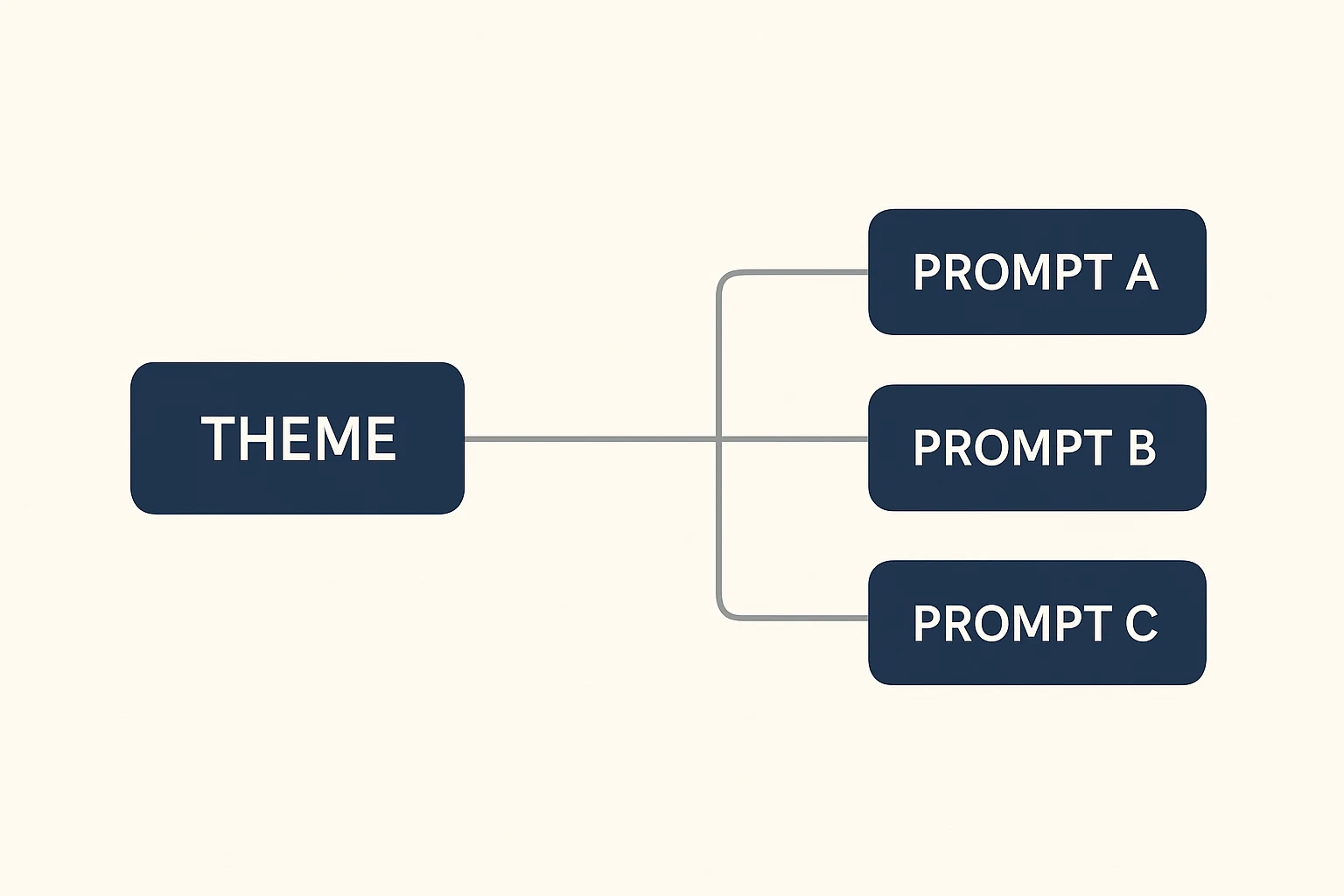
Three prompts. Same theme. Three completely different reviews. The output you get from an AI theme audit is determined before you type your question. Ask for validation and that is what you get. Ask for truth and you get a findings list that would stop a WP.org rejection cold. This is what the prompt engineering actually looks like, step by step, against a real theme with real problems.
- WordPress on a government discovery call: eight questions a senior buyer should ask
Senior procurement buyers come to WordPress discovery calls with a checklist. Here are the eight questions worth asking, and what a senior consultant's answers should sound like.
- WordPress 7 is here. Here's what's new and what to do.
WordPress 7 shipped in May 2026. If you run a WordPress site, here is what changed, what matters, what to actually do about it, and the one feature that got pulled at the eleventh hour.
- Website over-optimization: how to spot it and fix it
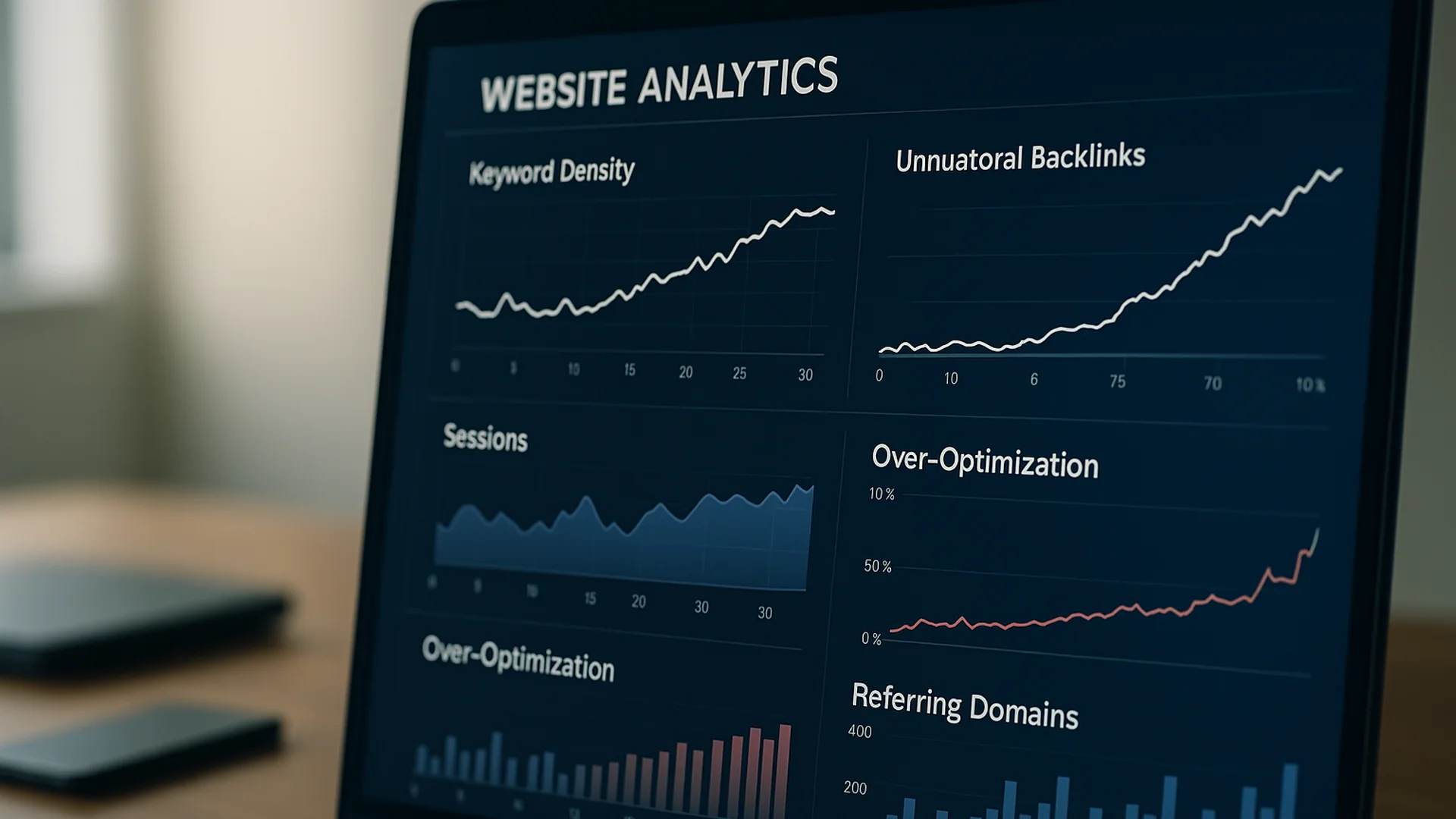
Over-optimised pages tank rankings AND conversions. Here are the seven signals, the back-off pattern, and the 30-minute audit that surfaces the worst offenders.
- What you owe the people still running your 2015 WordPress plugins
Eleven years after I last touched two WordPress.org plugins, I rewrote them. What you owe the strangers still installing your old code, and why.
- Lighthouse scores vs real WordPress performance: what actually matters
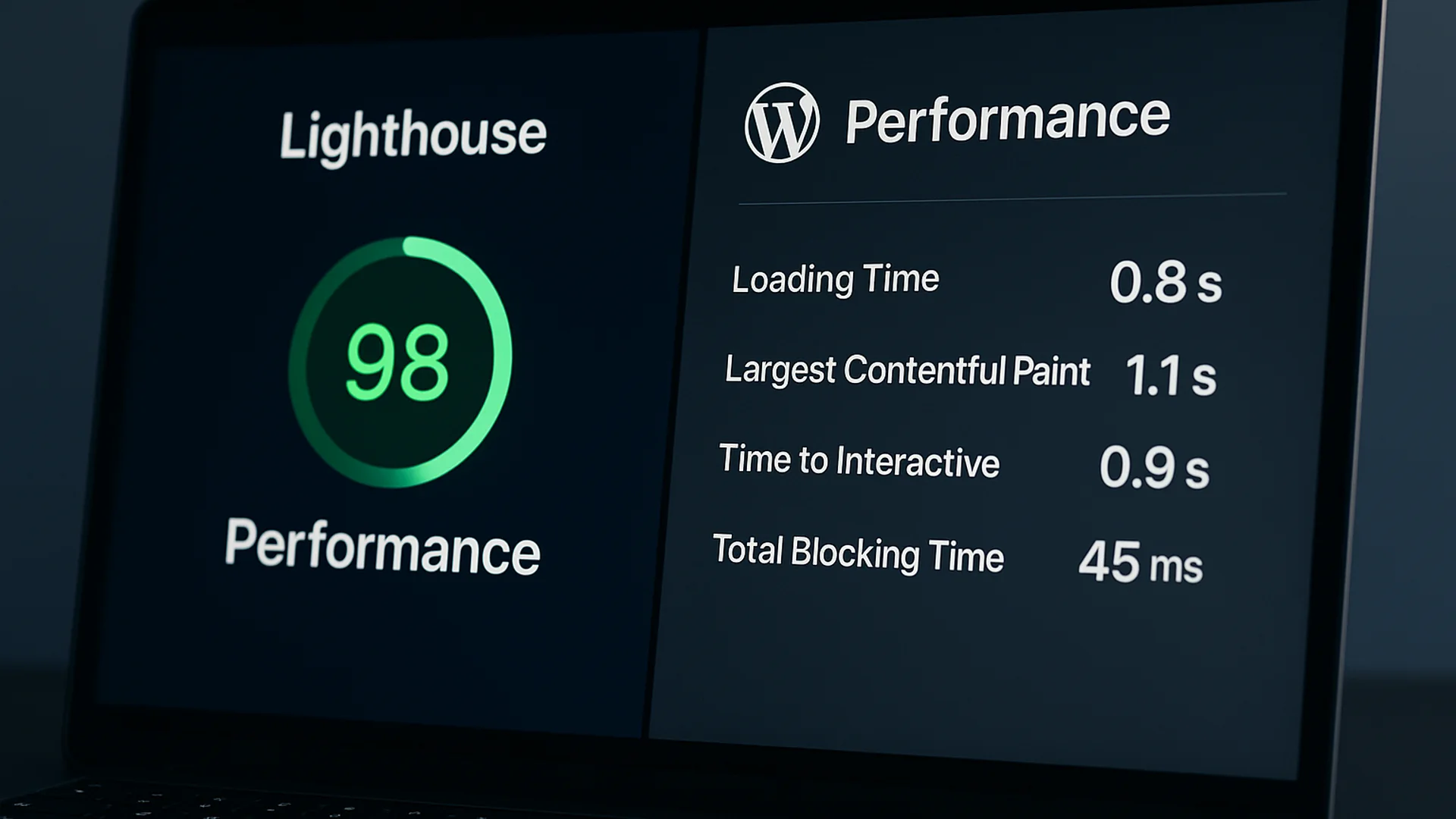
Lighthouse scores measure what a 30-second synthetic test sees. Real WordPress performance is the user, page, and template view. Here is how to audit it.
- File Names and WordPress
- Seven easy ways to make WordPress far more secure
- Is WordPress dead in 2012?
- White hat black hat SEO tactics
- WordPress made easy
- How to Center a Header with HTML and CSS
- How do you install WordPress plugins?
- Using CSS to build a horizontal menu
- How should you hire a web professional?
- Using WordPress for business
- Who Owns Your Web Site?
- Creating a cache on phpWebSite
- How much should a designer charge?
- The Not So Secret Art of Internet Success
- Newsletters are great for business
- Five Low Cost Tips to Promoting Your Online Business
- Your Portfolio to the Web
- Does META Matter?
- 14 Years experience?
- Top Three osCommerce Upgrades for Small Business
- Could A Website Increase Your Profits
- How to Hire a Web Designer
- Order Up How The Web Can Serve The Restaurant Business
- Receiving Orders Without A Computer
- Ten Reasons Why Your Online Store Doesn’t Work
- Top Ten Features of a Good Web Site
- Public Relations that Really Work
- Making Your Site Sell
- Web Site Planning
- If You Build It, Will They Come?
- Marketing Your Way to Success on a Small Budget
- Marketing Your Way to Success on a Limited Budget
- Build Your Business by Knowing Your Competition
- Building a Brand for Your Business
- Working With Dates in ASP
- Creating Effective Cover Letters
- How to Install PHP on a Microsoft IIS 5 Server