The StarPhoenix: Saskatoon child theme and iPad template on the Postmedia VIP platform, 2012
Per-paper theme and tablet template for The StarPhoenix on the shared Postmedia WordPress VIP blog platform, the multi-tenant theme system that ran the blog networks across every Postmedia daily in the country. One codebase, per-tenant configuration, one operational baseline for the central platform team to maintain.
The StarPhoenix is the Postmedia daily that serves Saskatoon and the surrounding metro: the dominant broadsheet in the largest city in Saskatchewan, and the primary news source for roughly 800,000 readers across the region. This portfolio entry covers the blog-platform design for the paper, delivered as part of the larger Postmedia WordPress® VIP project that powered the blog networks across every Postmedia daily in the country.
The platform job
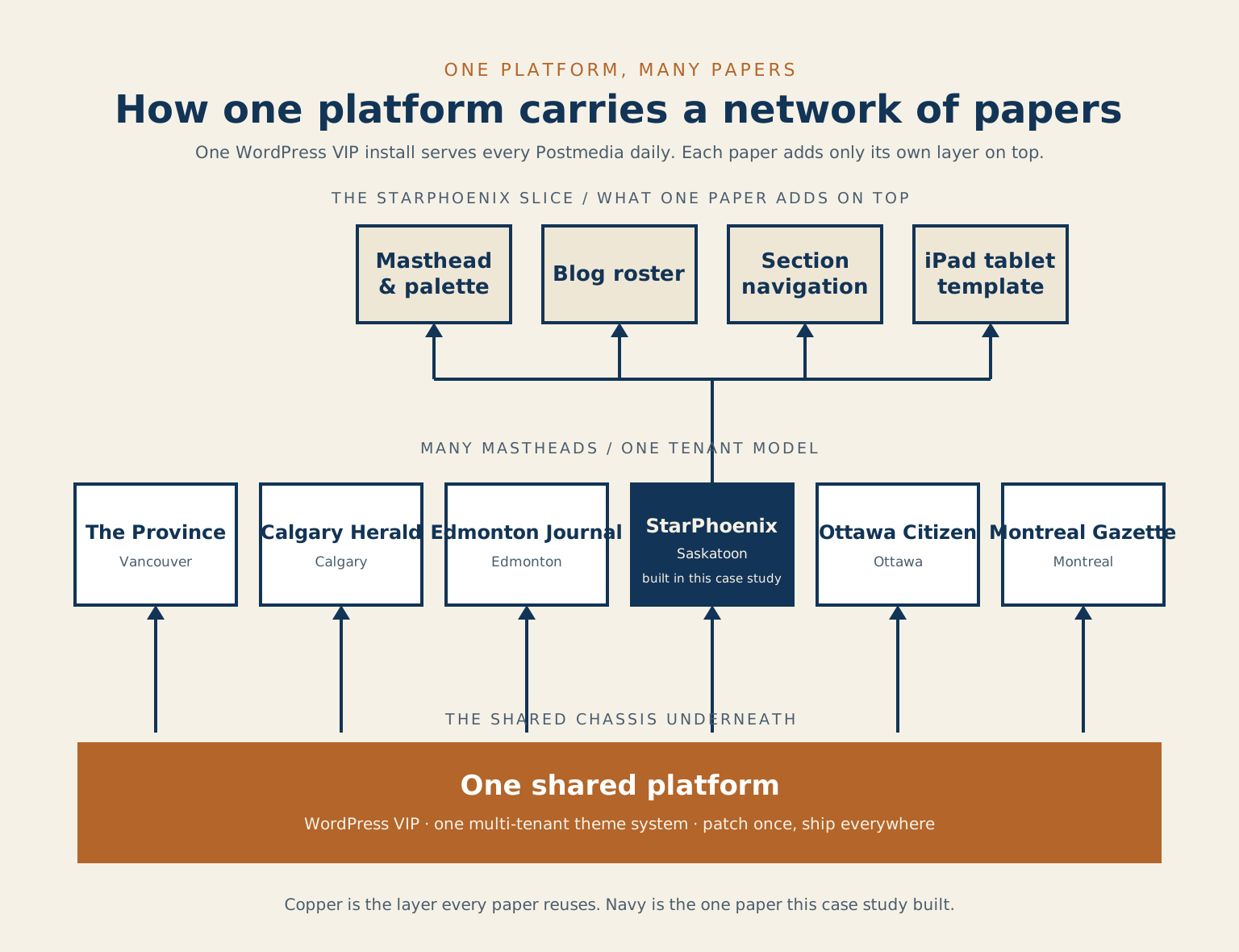
Postmedia ran a chain of major-market dailies: Saskatoon, Edmonton, Calgary, Vancouver, Ottawa, Montreal, and the rest. Each of them needed a blog network for the columnists, the section blogs, the city-life beats, and the special-coverage projects that did not fit cleanly into the main newspaper template. Building each of those blog networks as a one-off would have meant rebuilding the same patterns over and over, with thirty different versions of the same archive page drifting out of consistency across the chain. The right answer was a single platform: one WordPress VIP installation, one theme system that handled the per-paper branding through configuration rather than through forked code, and one operational baseline that the central platform team could update in one place when a security patch or a feature improvement was due.
What that looked like for one paper
The StarPhoenix engagement was the version of that platform tailored for Saskatoon: the colour palette, the masthead, the blog roster, the section navigation, and the iPad/tablet template that the paper's newsroom had prioritized for 2012. Underneath it was the same chassis that ran the blog network for The Province in Vancouver, the Calgary Herald, the Edmonton Journal, and the rest of the Postmedia family. From the reader's perspective each paper's blogs felt like a continuation of that paper's own brand. From the platform team's perspective it was one codebase shipping to many tenants.
Why this shape mattered
A chain that runs every brand on a forked version of the same theme accumulates technical debt at chain scale. Every security patch needs porting to every fork. Every feature improvement either gets ported to all of them or quietly available to only some, and the gap between "consistent across the chain" and "what we actually shipped this quarter" widens every release. A chain that runs every brand on a standardized theme with per-tenant configuration ships one patch in one place and sees the improvement everywhere. The StarPhoenix piece of this is what one tenant's slice looked like once that platform pattern was in place: a paper that got a tablet-first reading experience in 2012 without the paper having to fund a full bespoke build to get it.
- Platform: WordPress VIP, shared multi-tenant theme system
- The build: Per-paper theme and tablet template for The StarPhoenix on the shared Postmedia blog platform
- Client: Postmedia Network: The StarPhoenix (Saskatoon)
- Period: 2011–2012 (iPad mockup image uploaded April 2012)
Where this pattern transfers
Any media group running more than a handful of brand properties has a version of this job. Newspaper chains and broadcast networks with regional subsidiaries. University systems with multiple campus sites under one institutional banner. Government departments with parallel agency sites, and franchise organizations with hundreds of branded location pages. In all of these, the choice is between letting each property run its own forked stack (which feels autonomous and ages poorly) and standing up a shared platform with per-tenant configuration (which feels constrained at first and ages well). The shared-platform option almost always wins, with the difficult part being making the per-tenant configuration expressive enough that the platform team is not constantly fielding "can we just fork it" requests from the individual brands.