Case study
Before WordPress: how a 2002 author platform ran for sixteen years
A 2002 author-publishing platform that ran 16 years with zero ongoing maintenance. Static-site generation years before the pattern had a name.
Read the case studyLearning platforms, publishing systems, and the AI around them: technology your team can understand, audit, and keep running. Built by one senior technologist, not an agency layer.
“Chris leads with generosity and has a real gift for making technical topics accessible without oversimplifying them. WordPress development, technical SEO, or training: Allison Smith recommends Christopher without qualification.”
Work delivered for
Selected work
Case study
A 2002 author-publishing platform that ran 16 years with zero ongoing maintenance. Static-site generation years before the pattern had a name.
Read the case studyCase study
I've been advising M.L. Campbell's digital content architecture for several years. The YouTube channel reached 128,393…
Read the case studyWho I work with
Education
Learning platforms for colleges, universities and the teams behind them, and honest help deciding where AI actually belongs in teaching and learning.
Learning platformsPublishing
Editorial CMS work for newsrooms and membership publishers where downtime is a headline: migrations, performance that holds, and the governance that keeps AI inside the workflow accountable.
PublishersSpeaking
Conference and campus talks on learning and working with AI, from someone who builds these systems and is studying how people learn with them.
SpeakingWhy one developer, not an agency
Accessibility and AI access
Accessibility here is a precondition, not a phase at the end of a project. Every build meets WCAG 2.2 AA and AODA, and I test with a screen reader rather than trusting a scanner’s score. That part I have been doing for years.
The newer question is who gets access to AI. My MA research at Royal Roads is in learning and technology, and the thing I keep returning to is who gets left behind when these tools become the default way to learn and to work. Remote and rural communities are first in that line: thinner connections, less support, and software built for people who already have both. I am working toward that, not claiming it as a track record yet.
The newsletter
A weekly, honest read on learning and working with AI, for people who want to keep the human in it. Every Thursday, the one thing that actually mattered that week, and what it means for how we teach and learn.
From the writing
Themes, plugins, resources, and tools got their own domains. Columns went to a writing site. Apex left WordPress for flat HTML on Cloudflare Pages. The front door finally…
A training site moved to its own domain, a Cloudflare redirect rule that never fired, twelve guide articles, and a newsletter I published before its own review finished.
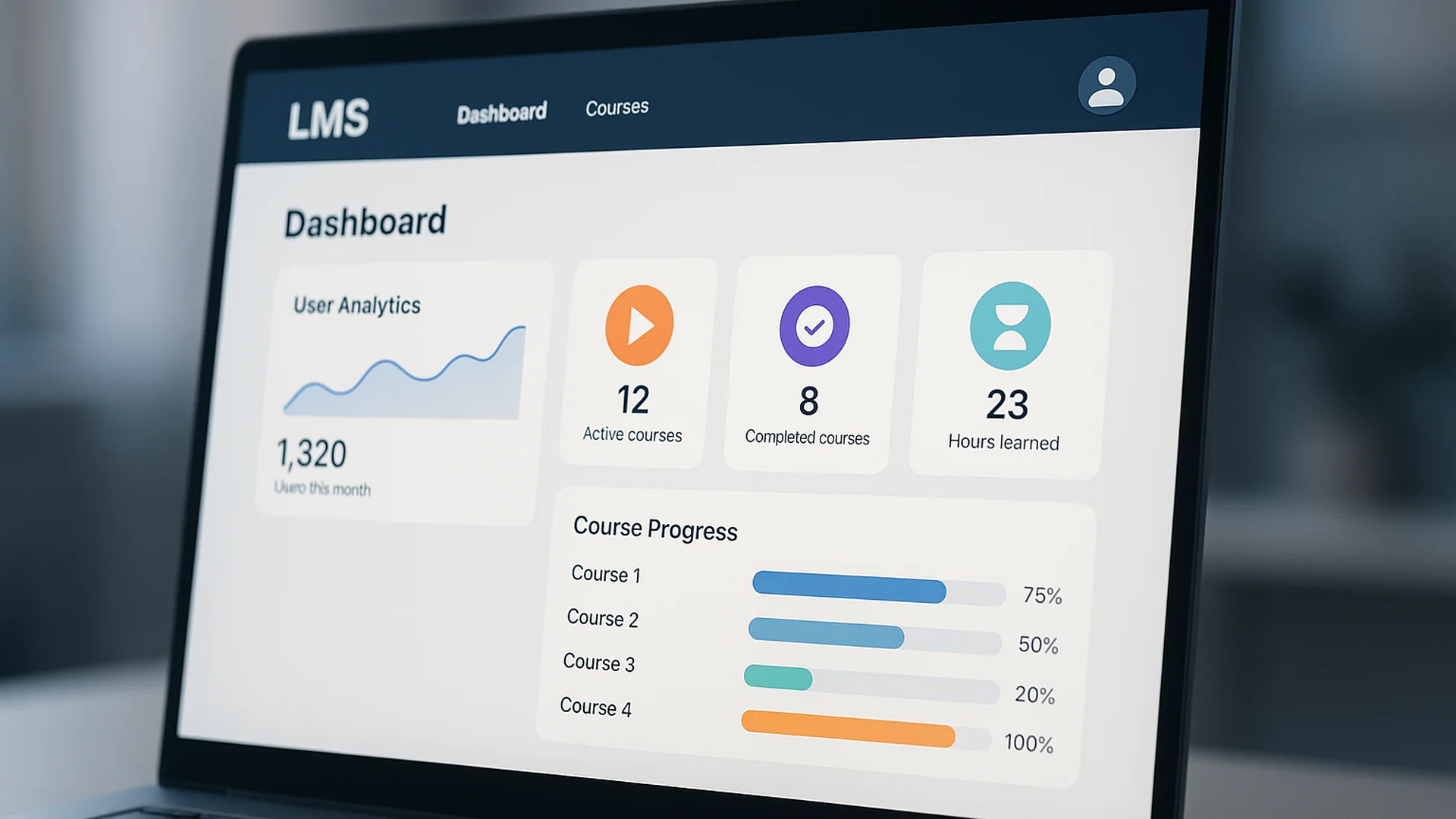
An LMS solves tracking and compliance well; delivery and content management poorly. Here are the four flavours that dominate, the decision matrix, and the audit before you sign.
“Entertaining and engaging talk – more directed to WordPress developers and consultants – was hoping for a little more about how people using WordPress as a platform can make money.”Doug Millington
“This is absolute gem of a presentation by Chris Ross which proves yet again that you can still earn a decent wage by providing VALUE to people for free.”Lorne Fade
I’ll tell you honestly whether I’m the right person for it, and if I’m not, who is.
No sales calls · Reply the next business day · No minimum project size
Small business?
Websites and local search for small businesses now live at my small-business practices, listed at Lakeview Brands.
Closest to the studio: Fort Erie, Niagara Falls, Welland, and St. Catharines. Or see every place I serve.