
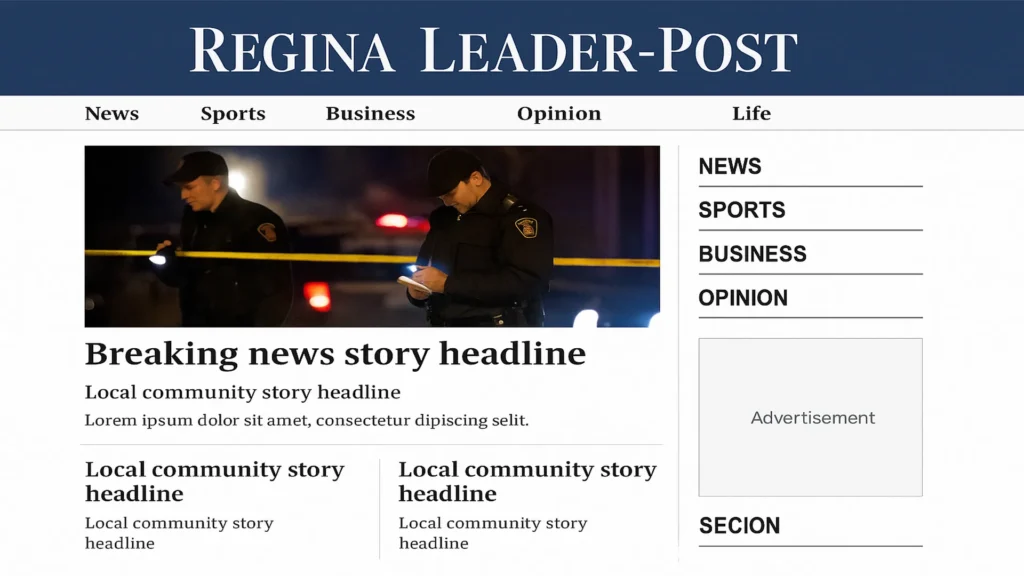
One of the underappreciated parts of building for a network like Postmedia is what happens at the smaller papers. The Leader-Post doesn’t have the traffic of the National Post or the section weight of the Vancouver Sun. It still has to feel like a serious paper of record for southern Saskatchewan, on the same shared platform.
The architecture made that possible. The Leader-Post ran as its own child theme on the shared Postmedia parent; the parent carried performance, infrastructure, and platform integrations, and the Leader-Post’s child carried the editorial defaults that suited a smaller newsroom. Fewer hands on the homepage means the CMS and theme have to do more of the work an editor would do at a larger paper, and they have to do it in a way that doesn’t look automated. The child theme build leaned on defaults that produced a good homepage when nobody touched them, rather than offering a long admin form that nobody had time to fill in correctly. Defaults-first CMS design — the deliverable on a lean newsroom is the absence of decisions, not the presence of options.
In 2011-2012, when Postmedia moved its network of daily newspapers onto WordPress, the Leader-Post landed on WordPress VIP alongside the larger papers — at the time, one of a small handful of major Canadian news properties on the platform. VIP onboarding then required Automattic’s direct vetting and a codebase review before the first deploy. The smaller papers in the network got the same production-grade platform as the flagships; that’s a deliberate choice, and the shared-parent architecture is what kept it economical.
The senior-engineer instinct to “give the editor more controls” is the wrong instinct here. Better defaults beat more knobs, every time.
