
There’s a moment I watch for in every AI training session I run. It usually arrives in the first hour: somebody in the room goes quiet, and you can see them realize that the colleague they’ve been struggling to keep up with all year isn’t smarter than them, and isn’t working weekends either. She just stopped doing certain things by hand.
You’ve seen the evidence around your own office, even if you didn’t name it. Somebody sends a clear, complete follow-up email ten minutes after a meeting while everyone else is still deciphering their notes. A rough idea shows up already structured, and the proposal that used to eat an afternoon lands before lunch. None of it stands out anymore, and honestly, that’s the tell. Two years ago that kind of speed was a party trick. Now it reads as normal, and normal is the one thing nobody gets credit for.
The quiet shift underneath all of this is that Artificial intelligence (AI) stopped being an advantage somewhere along the way and became a baseline. Think about email. Nobody has ever been hired for knowing how to use email, but try getting through a Tuesday without it. Baseline tools work like that: invisible when you have them, glaring when you don’t. After a while they get factored into what everyone around you expects about how fast things move and how prepared people are when they speak.
Where to start without drowning
The good news is that catching up to a baseline is a much smaller job than chasing an advantage, because you don’t need to be clever. You need a habit. Here is the one I hand people in those sessions, and it works because it’s small: pick a single repetitive task you already do every week. The meeting recap. The weekly status note. The reply you’ve typed a hundred times. Do that one task with AI three times this week: tell it what you want to say, let it draft, fix what’s wrong, send. You’ll be slower the first time and faster by the third, and you will have learned more than a month of reading articles would teach you.
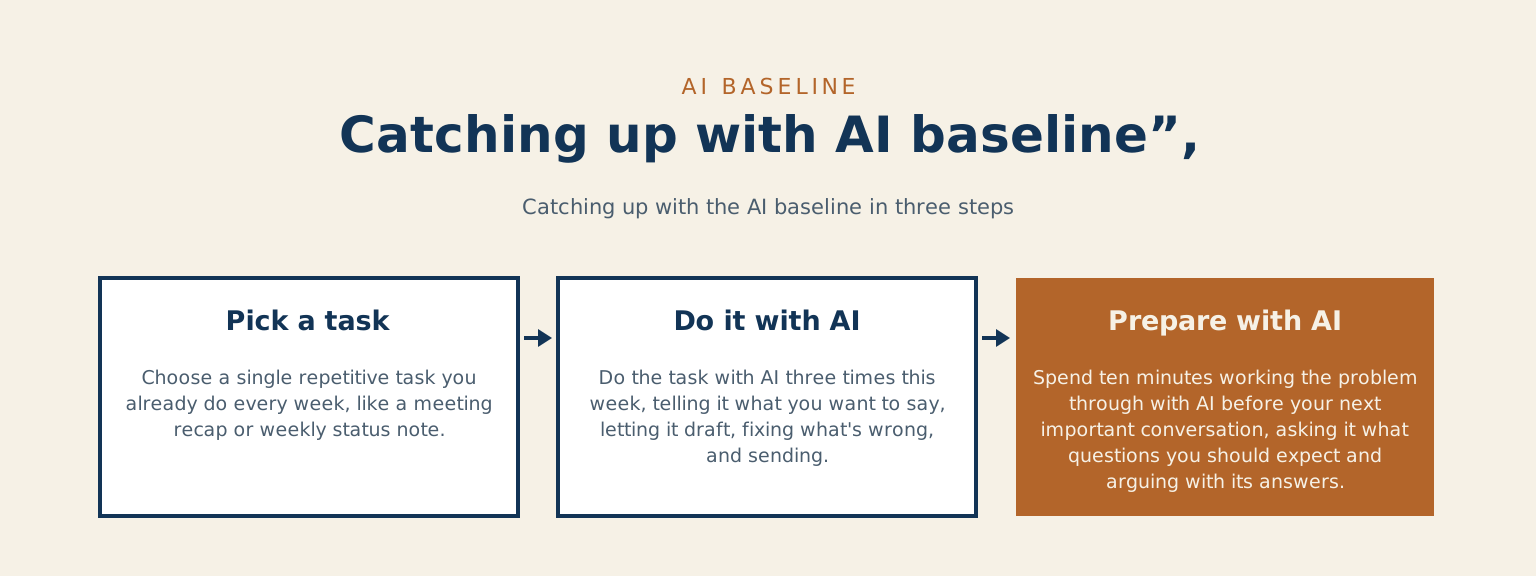
Then borrow the prepared person’s trick, because it’s the one that changes how you’re perceived. Before your next important conversation, spend ten minutes working the problem through with AI first. Ask it what questions you should expect. Argue with its answers. You’ll walk in having already rehearsed the hard part once, which is precisely what the impressive people in your meetings have been doing all along.
The stakes are low right now. Practice this month costs you nothing but a few clumsy drafts nobody sees. Waiting means learning the same lessons later, in public, under a deadline, which is the most expensive classroom there is.
That colleague you’ve been trying to keep up with started somewhere too, probably with one task that annoyed her enough to try something else. Pick yours this week.