
Architectural Framework for Enterprise WordPress Infrastructure
Scale your Enterprise WordPress Infrastructure with our white paper on server-level tuning. From kernel logic to Decoupled Architecture,…
Asset bloat refers to the accumulation of unnecessary code, large media files, and redundant scripts that significantly degrade a website’s performance. In the WordPress ecosystem, this is most commonly caused by the “plugin dependency nightmare,” where every added feature brings its own massive library of CSS and JavaScript that loads on every page—even where it isn’t used. This digital baggage forces the user’s browser to download and process megabytes of “garbage” code just to display a few hundred words of text.
For businesses in the Niagara region, asset bloat is a silent revenue killer. It results in high “Largest Contentful Paint” (LCP) times and poor responsiveness, leading to mobile visitors abandoning the site before it even loads. High-end developers combat asset bloat through a process called “Asset Dequeuing,” which ensures that scripts only load on the specific pages where they are functional. By stripping away this weight, you create a lean, “zero-bloat” architecture that feels instantaneous to the user.
Solving asset bloat isn’t just about speed; it’s about cost efficiency. A bloated site requires more server resources and frequent “patching” to stay compliant with modern web standards. By investing in a high-performance build that prioritizes clean code over “quick-fix” plugins, an organization reduces its long-term technical debt and ensures its digital presence is a high-speed storefront rather than a cluttered warehouse of unused features.
Scale your Enterprise WordPress Infrastructure with our white paper on server-level tuning. From kernel logic to Decoupled Architecture,…
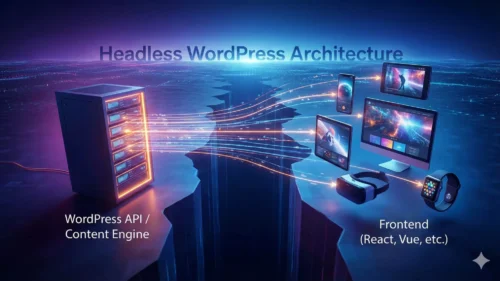
Discover why "Technical Debt" is stalling your growth and how Headless WordPress provides the scalable, high-performance solution for…